The reverse chronological resume format is the most widely used and most trusted resume layout in the United States. It clearly highlights your work experience, placing your most recent job first, making it easy for recruiters and Applicant Tracking Systems (ATS) to scan your qualifications.
If you want a resume that is professional, modern, and competitive in today’s job market, the reverse chronological format is the safest — and strongest — choice.
What Is the Reverse Chronological Resume Format?
The reverse chronological resume format organizes your work history starting from your most recent job and moving backward. Each position includes key details like job title, company, location, and dates of employment.
This format is ideal for showing career progression and consistent employment — two things employers look for immediately.
Who Should Not Use the Reverse Chronological Resume Format?
Although this resume format is the most popular in the United States job market, it’s not ideal for everyone. You may want to consider a functional or combination resume instead if:
You Have Significant Employment Gaps
If you took long breaks from work—whether for personal reasons, health, travel, or caregiving—the reverse chronological format will highlight those gaps clearly.
You’re Making a Major Career Change
If you’re moving into a completely new field and your past work experience doesn’t align with your target role, this format may not showcase your transferable skills effectively.
You’re a Recent Graduate with Limited Experience
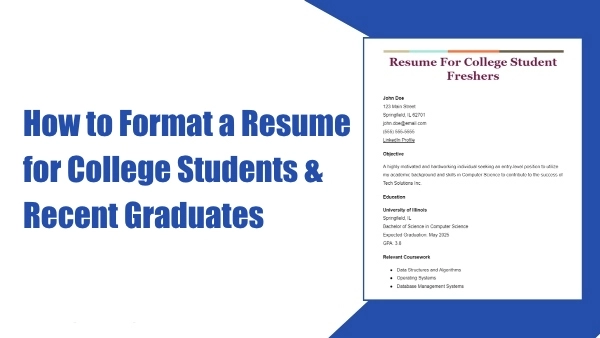
High school and college graduates who lack full-time employment history often do better with skills-based layouts.
You’ve Had an Unconventional, Non-Linear Career
Freelancers, gig workers, contractors, and project-based professionals may find that a chronological list fails to capture the full scope of their experience.
In these cases, a functional or hybrid resume is often more strategic, allowing your skills—not your timeline—to shine.
Why the Reverse Chronological Resume Format Works Best
1. Recruiters Prefer It
Over 90% of hiring managers say the reverse chronological layout is the easiest to skim. It reflects the structure they expect and helps them make decisions quickly—often within 6–10 seconds.
2. ATS-Friendly Layout
Applicant Tracking Systems scan resumes for clear section labels, dates, and job titles.
This format’s simplicity—clean headings, text-based content, and linear structure—ensures optimal parsing performance.
3. Highlights Your Most Relevant Achievements First
Your latest job (usually your strongest and most impressive) appears at the top, giving employers immediate visibility into your current skill level.
4. Creates a Clean, Professional Impression
Consistency across job entries and straightforward formatting make your resume more readable, polished, and aligned with U.S. hiring standards.
How to Structure a Reverse Chronological Resume
Below is the standard, recruiter-approved section order:
1. Header
Include:
- Full name
- Phone number
- Professional email
- LinkedIn or portfolio (optional but recommended for many fields)
2. Professional Summary
A concise 2–3 sentence overview showcasing:
- Your expertise
- Career accomplishments
- Value you offer to employers
3. Work Experience (Reverse Chronological Order)
For each position, list:
- Job Title
- Company + Location
- Dates of Employment
- 3–5 achievement-based bullet points (Use numbers to show impact whenever possible.)
4. Skills
Include a balanced list of hard and soft skills relevant to the role.
5. Education
- Degree
- University name
- Graduation year (optional and can be removed for senior professionals)
6. Optional Sections
Add only if they strengthen your application:
- Certifications
- Projects
- Awards
- Volunteer experience
Example of a Strong Reverse Chronological Resume Layout
Work Experience
Marketing Specialist
Google — New York, NY
2022–Present
- Increased organic traffic by 45% through advanced SEO initiatives
- Managed a $250K annual advertising budget with high ROI
- Led A/B testing programs that improved conversion rates by 18%
Marketing Coordinator
HubSpot — Boston, MA
2019–2022
- Supported full-funnel marketing campaigns across email, social, and PPC
- Improved email open rates by 22% through optimized segmentation and copy
This structure reflects precisely how modern U.S. employers expect experience to be displayed.
Best Practices for a High-Impact Reverse Chronological Resume
Maintain consistent formatting across all jobs
Start each bullet with a strong action verb
Focus on measurable achievements, not tasks
Keep bullets concise and easy to read
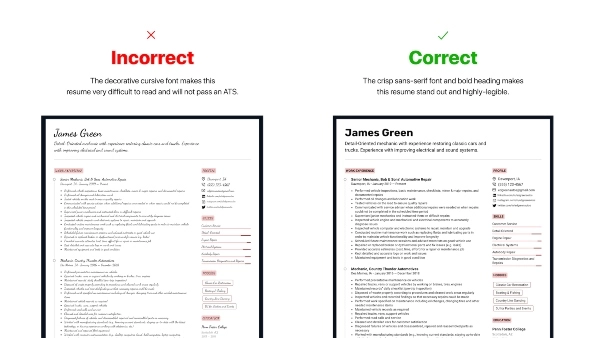
Use simple fonts and minimal color for ATS compatibility
List your most recent jobs first—and keep older roles brief
Common Mistakes to Avoid
Listing positions out of order
Including long paragraphs instead of bullet points
Using decorative or highly stylized templates
Adding irrelevant early-career jobs
Leaving employment gaps unexplained
Using multiple font styles
Overcrowding the layout with excessive text
Is the Reverse Chronological Resume Format ATS-Friendly?
Yes — it is the most ATS-friendly format available.
ATS systems can easily scan:
- Job titles
- Dates
- Company names
- Keywords
- Section headings
- Bullet points
If you want the highest chance of passing automated screening, this layout is the safest, most reliable choice.
Reverse Chronological vs. Other Resume Formats
| Resume Format | Best For | Not Ideal For |
| Reverse Chronological | Most job seekers with steady work history | Large employment gaps |
| Functional | Career changers, limited experience | ATS readability |
| Combination | Experienced professionals with diverse skills | Entry-level applicants |
Final Answer: Should You Use the Reverse Chronological Resume Format?
If you're applying for jobs in the United States, the answer for most professionals is YES.
The reverse chronological format is:
- The most recruiter-approved
- The most ATS-friendly
- The clearest and easiest to scan
- The best way to highlight your experience and accomplishments
In 2025, it continues to be the #1 resume format across nearly every industry.