Changing careers can be exciting—but writing a resume for a new field can feel challenging. Employers often prioritize experience directly related to the role, so career changers need a strategy that emphasizes transferable skills, accomplishments, and potential. This guide explains how to craft a resume for career changers that catches attention, passes ATS and positions you as a qualified candidate.
Why Career Changer Resumes Require a Different Approach
A standard chronological resume often highlights years of experience in a specific industry. For career changers, this format may unintentionally emphasize unrelated experience. Instead, focus on:
- Transferable skills that apply to your new field
- Achievements that demonstrate capability
- Relevant certifications, training, or volunteer work
The goal is to show employers that your background equips you to succeed in your new career—even if the job title differs from your past roles.
Best Resume Formats for Career Changers
When switching careers, choosing the right resume format is critical. The format you select determines how your skills, experience, and achievements are presented—especially if much of your previous work isn’t directly related to your new field. There are three main resume formats to consider:
1. Functional Resume (Skills-Based Resume)
A functional resume emphasizes skills and accomplishments rather than chronological work history. It’s designed to highlight what you can do rather than what you’ve done in a previous job title.
Key Features:
- Focuses on transferable skills at the top of the resume
- De-emphasizes unrelated work experience
- Ideal for candidates with limited experience in their target field
When to Use:
- If you’re entering a completely new industry
- If your work experience is not directly relevant to the new career
Example:
Instead of listing every past job, a functional resume might have a section titled: “Key Skills & Achievements”
- Project Management: Coordinated cross-functional teams to launch three new initiatives
- Leadership: Mentored 5+ junior staff members, improving productivity by 20%
This approach draws attention to your capabilities, rather than your previous job titles.
2. Combination (Hybrid) Resume
The combination resume blends the best of both worlds: it highlights skills first, followed by a concise chronological work history. This format is perfect for career changers who have transferable experience that applies to their new role.
Key Features:
- Skills section at the top emphasizes your relevant abilities
- Brief chronological work history shows employment continuity and achievements
- Works well for candidates with strong results in past roles that can apply to the new career
Example Structure:
Skills & Achievements
- Digital Marketing: Managed email campaigns that increased engagement by 30%
- Leadership: Directed a team of 10 employees, boosting efficiency by 15%
Work Experience
- Sales Manager, RetailCo (2018–2023)
- Streamlined workflows and improved customer satisfaction scores by 20%
This format allows you to demonstrate impact and relevance even if the industry has changed.
3. Chronological Resume
The chronological resume lists your work history in reverse chronological order, starting with your most recent position. It works best if you already have some experience relevant to the new career.
Key Features:
- Emphasizes career progression
- Shows stability and continuity of employment
- Best when paired with a strong skills section to highlight transferable abilities
Tip: Even in a chronological resume, you can reframe previous job duties to emphasize skills applicable to your new career.
Pro Tip: Most career changers benefit from a combination resume, which balances transferable skills with past work experience, giving recruiters a clear picture of both ability and experience.
How to Highlight Transferable Skills
Transferable skills are abilities you’ve developed in one job that can apply to a different role or industry. Highlighting these skills is the foundation of a career changer resume.
Examples of Transferable Skills:
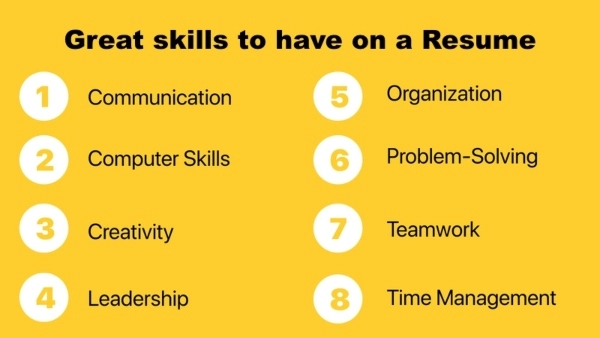
- Project Management: Planning, coordinating, and executing projects
- Communication: Presentations, writing, and cross-functional collaboration
- Leadership & Teamwork: Mentoring, leading teams, or managing volunteers
- Problem-Solving: Identifying issues and implementing solutions
- Technical Skills: Software, tools, or systems relevant to the new role
Example: Moving from Retail to Marketing
- Retail Bullet: “Managed store promotions and visual merchandising campaigns.”
- Marketing-Focused Bullet: “Planned and executed marketing initiatives, increasing customer engagement by 20%.”
How to Reframe Work Experience
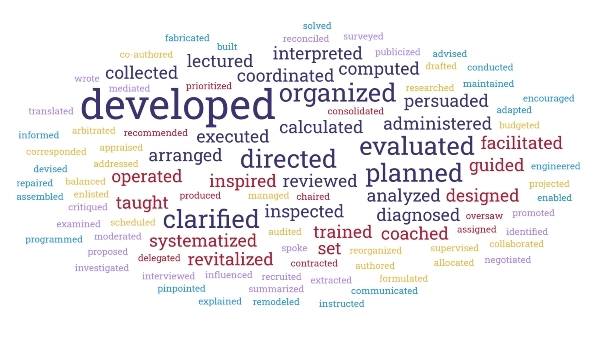
Even if your previous roles aren’t directly related, you can highlight accomplishments that matter in your new career. Focus on results, leadership, and transferable skills, and use strong action verbs to demonstrate impact.
Example:
- Original: “Supervised sales team and processed transactions.”
- Career-Changer Version: “Led a team of 10 employees, improving customer satisfaction scores by 15% and streamlining sales workflows.”
This reframing shifts the focus from tasks to achievements and measurable outcomes.
Education, Certifications, and Training
For career changers, education and certifications signal commitment and credibility in a new field. Include:
- Relevant courses or certifications
- Online training or workshops
- Continuing education or professional development
Examples:
- “Certified Digital Marketing Professional, HubSpot Academy (2025)”
- “Completed Google Data Analytics Certificate (2024)”
Even self-directed learning or short courses demonstrate that you’re actively preparing for the new role.
Resume Summary for Career Changers
A strong resume summary positions you as a qualified candidate immediately. Your summary should:
- Include your new career objective
- Highlight transferable skills
- Mention key accomplishments or results
Example:
“Project Coordinator with 6+ years of experience leading cross-functional teams, skilled in project management, data analysis, and stakeholder communication. Seeking to leverage leadership and organizational skills in a digital marketing role.”
A clear, results-oriented summary helps recruiters quickly see why you’re a fit for the new role—even without direct experience.
Tips to Make Your Career Changer Resume Stand Out
Changing careers can be challenging, but a well-crafted resume can help you demonstrate relevant skills, accomplishments, and potential. Here are actionable tips to make your career changer resume stand out to both recruiters and ATS systems.
1. Focus on Achievements, Not Just Job Duties
Recruiters are most interested in what you accomplished, not the day-to-day tasks you performed. Use action verbs and quantify your results whenever possible to show impact.
Example:
- Weak: “Responsible for team management and reporting.”
- Strong: “Increased team efficiency by 25% by implementing streamlined reporting processes and weekly performance reviews.”
By emphasizing achievements, you show measurable results and transferable skills, making your resume more compelling.
2. Use Relevant Keywords
Most companies use Applicant Tracking Systems (ATS) to scan resumes before a human ever reviews them. To pass ATS and increase visibility:
- Tailor your resume to each job description
- Include keywords such as skills, tools, certifications, and industry terminology
- Use variations or synonyms to capture different ATS searches
Example:
If a job posting mentions “project management, Agile, and Jira,” make sure these keywords appear naturally in your skills section, experience bullets, and summary.
3. Highlight Volunteer Work or Side Projects
If you have limited professional experience in your new field, relevant volunteer work, freelance projects, or side initiatives can demonstrate competence and dedication.
Example:
- Volunteered to lead a community newsletter, managing content creation and distribution for 500+ subscribers.
- Created a website for a local nonprofit, applying web design and UX skills relevant to a digital marketing role.
These experiences show transferable skills and a proactive approach to gaining industry knowledge.
4. Keep It Concise
Recruiters typically spend only 6–8 seconds scanning a resume, so clarity is key.
- One-page resumes are ideal for most career changers
- Two pages are acceptable if you have substantial transferable experience or certifications
- Use bullet points, short sentences, and clear headings to make your resume easy to read
Tip: Prioritize skills and achievements relevant to the new career over unrelated work history.
5. Include a Strong Cover Letter
A cover letter is your chance to explain why you’re changing careers and highlight your transferable skills. Use it to:
- Show enthusiasm for your new field
- Explain how past experience prepares you for the role
- Highlight achievements and results that align with the new career
Example:
“I am transitioning from teaching to corporate training and bring 6+ years of experience designing engaging workshops and improving learning outcomes by 30%. I am excited to apply my instructional design skills in a corporate setting.”
A compelling cover letter helps recruiters understand your motivation and potential beyond your resume.
Sample Career Changer Resume Bullet Points
Here are real-world examples showing how to translate previous experience into transferable skills:
From Teaching to Corporate Training
- Designed and delivered interactive workshops for 50+ students, improving knowledge retention by 30%.
- Developed training materials and lesson plans adaptable to corporate learning programs.
From Customer Service to Project Management
- Managed client requests and coordinated team schedules, reducing project delays by 15%.
- Implemented workflow improvements, streamlining communication across departments.
From Retail to Marketing
- Planned and executed marketing initiatives, increasing customer engagement by 20%.
- Analyzed sales data to optimize promotional strategies, driving a 15% revenue increase.
These examples show measurable results, leadership, and transferable skills—exactly what recruiters look for.
Build a Career Changer Resume That Gets Interviews
SparkCV helps job seekers create resumes that pass ATS and impress recruiters:
- Create ATS-friendly resumes tailored to your new career
- Highlight transferable skills, accomplishments, and measurable results
- Use professionally written bullet points and ready-to-use templates
- Download instantly in PDF format for easy submission
Whether you’re switching industries or pursuing a completely new career path, SparkCV ensures your resume stands out and positions you as a qualified, results-driven candidate.
Try SparkCV Resume Builder