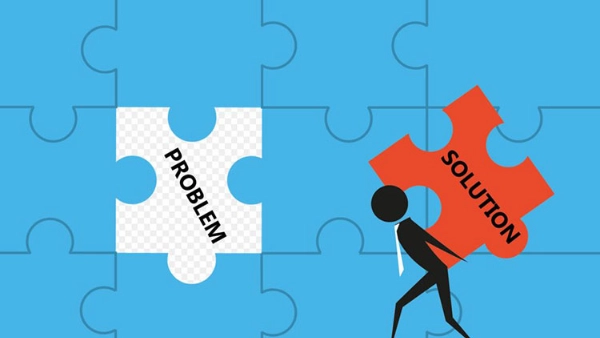
Workplace pressure is a normal part of professional life—from tight deadlines and unexpected challenges to demanding clients and fast-changing priorities. How you respond to these moments can significantly impact your performance, your confidence, and your long-term career growth. Learning how to stay calm under pressure at work is not just a soft skill; it’s a competitive advantage that helps you think clearly, communicate effectively, and make better decisions.
This guide covers practical techniques you can apply immediately to stay grounded, productive, and composed even in high-stress situations.
Why Staying Calm Under Pressure Matters
Remaining calm when stress levels rise affects more than just your mood. It influences:
- Productivity: Clear thinking leads to better work quality and faster results.
- Decision-making: Calm individuals avoid mistakes caused by rushed or emotional reactions.
- Professional reputation: People who stay composed are often seen as reliable, confident, and capable.
- Team morale: Your calmness supports others and prevents panic from spreading.
- Career growth: Leaders value employees who handle stress well and perform consistently.
Mastering this skill helps you become someone colleagues trust and managers promote.
12 Effective Ways to Stay Calm Under Pressure at Work
Handling stress at work is a skill that can be learned—and strengthened over time. When deadlines tighten, priorities shift, or unexpected challenges arise, staying composed can help you think clearly, make better decisions, and maintain productivity. Below are 12 expanded, practical strategies to help you stay calm under pressure at work.
1. Focus on What You Can Control
Much of workplace stress stems from worrying about things you cannot influence—other people’s actions, company decisions, or sudden changes in direction. Redirecting your focus toward what you can control gives you a greater sense of stability and reduces unnecessary anxiety. Concentrate on your next step instead of the entire situation.
Try this:
- Break the situation into smaller, manageable parts instead of viewing it as one overwhelming problem
- Identify your top priorities and decide what must be handled first
- Take one clear, practical step forward to build momentum
- Remind yourself that progress is more valuable than perfection
2. Breathe Deeply and Slowly
Your breath is one of the quickest tools for calming your nervous system. Deep, controlled breathing reduces heart rate, relaxes tense muscles, and brings your attention back to the present moment. It is especially useful when stress spikes suddenly.
Technique:
- Inhale for 4 seconds
- Hold for 2 seconds
- Exhale slowly for 6 seconds
- Repeat for 1–2 minutes or until your tension decreases
This simple exercise can be done at your desk, in a meeting, or during a quick break without drawing attention.
3. Pause Before Reacting
In high-pressure situations, your initial reaction is often emotional rather than logical. Taking a brief pause—even just 5 to 10 seconds—allows your brain to process information and respond thoughtfully instead of impulsively.
Use this when:
- You receive unexpected criticism or feedback
- A deadline changes without warning
- Someone asks a difficult question and you need a moment to think
- You feel your emotions rising and need a moment to reset
A short pause can help you respond professionally and maintain control over your tone and body language.
4. Break Tasks Into Manageable Steps
Feeling overwhelmed usually comes from viewing a project as one large, intimidating task. Breaking it into smaller steps makes it easier to approach and creates a clear action plan.
Example: Instead of thinking “I need to finish this entire project,” try:
- Review all requirements and expectations
- Create a structured outline
- Complete section one before moving to the next
- Request feedback if needed
- Celebrate each milestone to stay motivated
Small wins reduce stress and increase your confidence as you move forward.
5. Prioritize With Purpose
In high-pressure moments, not every task deserves equal attention. Effective prioritization helps you focus your energy where it matters most and prevents the chaos of multitasking.
Use the Eisenhower Matrix:
- Urgent + Important: Do these tasks immediately
- Important, Not Urgent: Schedule them to avoid future stress
- Urgent, Not Important: Delegate if possible
- Neither: Eliminate, postpone, or minimize distractions
Prioritizing with structure allows you to work smarter, not harder, especially when time is limited.
6. Manage Your Self-Talk
The way you speak to yourself can either ease or worsen your stress. Negative self-talk magnifies pressure, while constructive self-talk helps you regain control and confidence.
Shift your mindset:
- Instead of: “I can’t handle this.” Try: “I’ve handled tough situations before. I’ll take it step by step.”
- Instead of: “Everything is falling apart.” Try: “I can manage this if I stay focused and calm.”
Positive self-talk is not about ignoring challenges—it’s about approaching them with a clearer, calmer mindset.
7. Communicate Early and Honestly
Pressure builds when you try to manage everything alone. Clear, early communication prevents misunderstandings and allows others to offer support or adjust expectations when necessary.
Communicate when:
- A deadline may shift
- You need more information or clarity
- You require resources or help
- A problem may impact your team’s work
Honesty builds trust, reduces pressure, and ensures you’re aligned with your team and manager.
8. Create a System for High-Stress Moments
Preparation is one of the best ways to stay calm. Building a personal system for responding to stress helps you react consistently and effectively.
Examples:
- Keep a checklist of steps to follow when something urgent arises
- Use templates for common tasks to save time and reduce mental load
- Create a “focus mode” routine—wear headphones, silence notifications, clear your workspace
- Set up quick-access folders for important files
These systems eliminate decision fatigue and help you think more clearly when pressure hits.
9. Maintain a Clean and Organized Workspace
Physical clutter can create mental clutter. An organized workspace promotes focus and clarity, helping you stay calm and productive.
Do this daily:
- Clear your desk of unnecessary items
- Organize digital files and clean up your desktop
- Remove distractions like unused tabs or notifications
- Keep essential tools within reach
A tidy environment supports a calm mind.
10. Build Supportive Work Relationships
Having colleagues you trust makes difficult days easier. Strong relationships create a support network that you can rely on when pressure increases.
Strengthen your network by:
- Offering help before asking for it
- Sharing knowledge and resources
- Communicating respectfully and consistently
- Showing appreciation for others’ contributions
Supportive relationships reduce isolation and improve collaboration during challenging moments.
11. Develop Strong Time-Management Habits
The better you manage your time, the easier it becomes to handle unexpected changes or increased workload.
Habits that help:
- Plan your day the night before
- Use time blocks for focused work
- Minimize unproductive meetings
- Track how long tasks actually take
- Leave buffer time between commitments
Effective time management gives you more control and reduces last-minute stress.
12. Practice Long-Term Stress Management
Short-term techniques help in the moment, but long-term habits create resilience and improve your ability to stay calm under pressure consistently.
Build these long-term habits:
- Exercise regularly to release stress and increase energy
- Prioritize quality sleep to improve cognitive performance
- Set boundaries to prevent burnout
- Take short breaks to reset throughout the day
- Reflect on triggers and find patterns you can address
Resilience is built through consistent, healthy habits—not overnight.
How to Stay Calm Under Pressure During Meetings
Meetings—especially those involving presentations or difficult conversations—can be major stress triggers. To stay composed:
- Prepare key talking points in advance to boost confidence
- Bring notes to stay organized and avoid blank moments
- Pause before answering challenging questions
- Maintain slow, steady breathing when you feel tension rising
- Focus on the purpose of the meeting, not on being perfect
Preparation reduces anxiety and helps you communicate more effectively.
When to Seek Additional Support
If workplace pressure becomes overwhelming and begins affecting your physical or mental well-being, it’s important to acknowledge that you may need additional support.
Consider:
- Speaking with a supervisor about workload or deadlines
- Requesting adjustments or additional resources
- Talking with HR about employee support programs
- Consulting a mental health professional for persistent stress or burnout
Seeking help is a proactive step—not a sign of weakness. It shows maturity, responsibility, and commitment to long-term well-being.
Final Thoughts
Learning how to stay calm under pressure at work is a valuable skill that improves productivity, relationships, and long-term career success. By practicing mindful techniques, improving your time management, and building supportive habits, you can handle stressful situations with confidence and clarity.