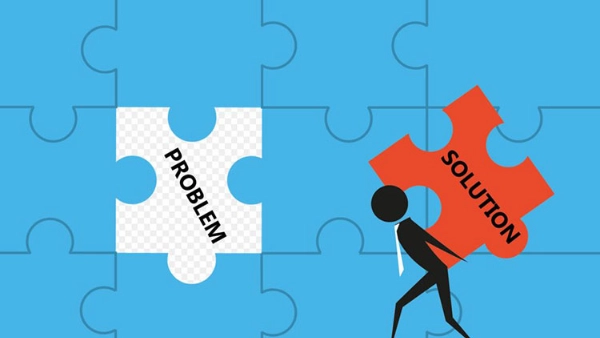
Cross-functional collaboration is no longer optional—it’s essential. Modern organizations rely on teams from different departments to solve complex problems, deliver innovative products, and respond quickly to change. But working across functions also comes with unique challenges: miscommunication, conflicting priorities, and unclear ownership.
The good news? With the right strategies, cross-functional collaboration can become one of your organization’s greatest strengths. This guide will show you how to improve it, step-by-step.
What Is Cross-Functional Collaboration?
Cross-functional collaboration occurs when individuals from different departments—such as marketing, sales, finance, product, HR, or customer service—work together toward shared goals.
This type of collaboration helps organizations:
- Break down silos
- Improve decision-making
- Innovate faster
- Increase accountability
- Enhance customer satisfaction
It ensures teams combine their expertise rather than working in isolation.
Why Cross-Functional Collaboration Matters
Strong cross-functional collaboration is more than a workplace trend—it’s a core driver of organizational success. When employees from different departments work together effectively, companies operate with greater clarity, agility, and innovation. Here’s why it matters:
1. Better Problem-Solving
When diverse perspectives come together, teams are able to look at challenges from multiple angles. This leads to more creative, well-rounded, and long-lasting solutions.
2. Higher Efficiency
Aligned goals and clear communication reduce misunderstandings and unnecessary rework. Projects move faster, handoffs are smoother, and teams spend less time fixing avoidable mistakes.
3. Stronger Innovation
Cross-functional teams challenge assumptions, blend expertise, and spark fresh thinking. This diversity of insight fuels breakthrough ideas and encourages experimentation.
4. Improved Employee Engagement
Working across teams helps employees understand the broader mission of the company. This exposure builds trust, strengthens relationships, and increases motivation.
5. Better Business Outcomes
Whether it’s launching a new product or improving customer experiences, collaboration helps organizations deliver consistent, high-quality results. It directly contributes to performance, revenue, and long-term growth.
How to Improve Cross-Functional Collaboration at Work
Here are effective, actionable strategies to build stronger, more productive cross-team collaboration.
1. Establish Clear, Shared Goals
One of the biggest challenges in cross-functional work is misalignment. Different teams often have competing priorities or separate KPIs.
To prevent this:
- Define a shared mission or primary objective
- Set measurable success metrics that all teams agree on
- Ensure every stakeholder understands how their work contributes to the bigger picture
When the “why” is clear, collaboration becomes more focused and efficient.
2. Assign Roles and Responsibilities Early
Ambiguity causes delays, duplicate work, and frustration.
Use frameworks like RACI (Responsible, Accountable, Consulted, Informed) to define:
- Who is responsible for each task
- Who approves major decisions
- Who needs to provide input
- Who should receive updates
Establishing ownership early ensures accountability and prevents misunderstandings.
3. Communicate Frequently—and Clearly
Cross-functional projects rely heavily on open, transparent communication.
Best practices include:
- Using shared communication channels like Slack, Teams, or Asana
- Sending consistent updates on progress, risks, and next steps
- Documenting decisions and deadlines in one central place
- Avoiding department-specific jargon
Clear communication strengthens alignment and keeps everyone moving in the same direction.
4. Build Strong Relationships Across Teams
People collaborate more effectively when they trust and understand one another.
Ways to build rapport:
- Host introductory meetings at project kickoff
- Encourage informal check-ins or team-building moments
- Organize workshops, brown-bag sessions, or cross-team Q&As
Strong relationships make collaboration smoother and more enjoyable.
5. Break Down Silos with Shared Tools
Centralized tools improve visibility, reduce confusion, and promote transparency.
Helpful platforms include:
- Asana / Trello / Monday.com – task tracking
- Notion / Confluence – documentation and knowledge sharing
- Google Drive – shared files
- Miro / FigJam – brainstorming and planning
Shared tools create a single source of truth for everyone involved.
6. Encourage a Culture of Openness and Psychological Safety
Teams collaborate best when they feel safe to share ideas, ask questions, and express concerns without fear of judgment.
Leaders can support this by:
- Welcoming diverse viewpoints
- Avoiding blame and focusing on solutions
- Rewarding transparent communication
- Actively asking for feedback
A psychologically safe environment leads to stronger teamwork and better problem-solving.
7. Manage Conflict Proactively
Cross-functional work naturally brings differing opinions. Healthy conflict can be productive when managed well.
Tips:
- Address issues early before they escalate
- Keep discussions focused on the work, not individuals
- Use data and facts to support decisions
- Bring in a neutral facilitator when needed
Constructive conflict drives clarity and leads to stronger outcomes.
8. Hold Effective Cross-Functional Meetings
Meetings should increase clarity—not confusion.
To improve effectiveness:
- Set a clear agenda
- Define the objective of every meeting
- Invite only necessary participants
- Summarize decisions and next steps at the end
- Follow up with written documentation
This ensures alignment and prevents information gaps.
9. Celebrate Wins Together
Recognition strengthens morale and reinforces a culture of teamwork.
Celebrate:
- Project milestones
- Cross-team accomplishments
- Individual contributions from multiple departments
Shared wins keep teams motivated and connected.
10. Review and Improve the Collaboration Process
After each project, conduct a retrospective to evaluate what worked and what didn’t.
Ask:
- What were the most effective practices?
- What caused roadblocks or delays?
- How can we improve next time?
Continuous improvement helps teams refine processes and collaborate more effectively over time.
Examples of Strong Cross-Functional Collaboration
Real workplace scenarios that demonstrate effective cross-team collaboration:
- Marketing and Product align messaging with actual product features for successful launches.
- Sales and Customer Success share feedback trends to improve onboarding and reduce churn.
- Engineering and QA work closely to test features early and minimize bugs.
- HR and Department Leaders develop training programs that support organizational goals.
These examples show how collaboration across departments drives efficiency, innovation, and better business outcomes.
Final Thoughts
Cross-functional collaboration doesn’t improve by accident—it improves with clarity, trust, communication and the right systems. When teams work together effectively, organizations become more resilient, innovative and successful.