Applying for jobs online is easy—but getting responses is where most job seekers struggle. With hundreds of applicants competing for the same roles, your online application needs to be strategic, tailored, and optimized to stand out.
This guide breaks down practical steps to help you apply for jobs online more effectively and increase your chances of hearing back from employers.
1. Start With a Strong, Updated Résumé
Before you submit even one application, make sure your résumé is polished, current, and aligned with the types of roles you're targeting. Employers and ATS systems scan hundreds of résumés daily—yours needs to immediately communicate value.
What your résumé should include:
- Clean, professional formatting that’s easy to read
- A compelling summary that highlights your most relevant skills, strengths, and career goals
- Bullet points that emphasize quantifiable achievements rather than tasks
- Job-specific keywords based on the job description
- A layout designed to be ATS-friendly (no graphics, tables, or complex formatting)
Why this matters:
A well-structured résumé increases your chances of passing ATS filters and catching the attention of recruiters who skim quickly.
Pro Tip:
Tailor your résumé for each job. Even minor adjustments like matching specific keywords or emphasizing relevant experience can significantly increase your interview chances.
2. Write a Compelling, Personalized Cover Letter
A generic cover letter gets ignored—hiring managers can instantly tell when you’ve copied and pasted the same message for every application. A personalized, well-crafted cover letter helps you stand out from the crowd.
How to write a strong cover letter:
- Address the hiring manager by name whenever possible
- Mention the company and explain why the role genuinely excites you
- Highlight 2–3 specific accomplishments relevant to the job
- Demonstrate how your skills directly align with the company’s needs
- Keep your tone professional but friendly and conversational
Why this matters:
A thoughtful cover letter shows intention, effort, and enthusiasm—qualities hiring managers appreciate. It often becomes the deciding factor that pushes an application into the “interview” pile.
3. Use Job Search Platforms Strategically
Not every job board works for every profession. To increase your chances of getting real responses, focus on platforms that align with your field and professional goals.
Top job sites to consider:
- LinkedIn: Best for networking, messaging recruiters, and finding professional roles
- Indeed: Broadest job board with millions of postings
- Glassdoor: Useful for company reviews, salaries, and culture insights
- Google for Jobs: Aggregates listings from multiple platforms
- Industry-specific sites: Dice (tech), AngelList (startups), Mediabistro (media), FlexJobs (remote), etc.
How to maximize results:
- Set up job alerts so you can apply early
- Apply within 24–48 hours of a job posting going live
- Avoid submitting multiple applications to the same job via different platforms (it can confuse ATS)
Being selective with where you search leads to better matches and faster responses.
4. Tailor Every Application to the Job Description
Recruiters often review hundreds of applications, spending only seconds on each. A tailored application immediately signals that you're the right match.
What to customize:
- Résumé headline or title
- Summary section
- Core skills list
- Bullet points that mirror job requirements
- Cover letter examples and accomplishments
Why it works:
Tailoring shows genuine interest, improves ATS compatibility, and demonstrates that you understand what the employer wants.
5. Avoid Common ATS Mistakes That Can Block Your Application
Many applications never reach a human because the résumé fails ATS screening. Avoiding formatting and keyword mistakes is essential.
Common errors that get applicants rejected:
- Using images, icons, charts, or graphics
- Choosing decorative fonts (stick to clean, readable ones like Arial or Calibri)
- Using tables, columns, or text boxes that ATS can’t read
- Missing essential keywords from the job description
- Uploading files in formats the employer doesn’t accept
Pro Tip:
Use a simple, straightforward layout. ATS prioritizes clarity and structure.
6. Follow Instructions Carefully (Most Applicants Don’t)
This sounds obvious, but many applicants lose opportunities simply by overlooking instructions. Hiring managers often use specific steps to test how well candidates can follow guidelines.
Before submitting, double-check:
- Required document formats (PDF, Word, etc.)
- File naming conventions
- Whether the application asks for tailored responses
- That all fields are completed accurately
- That URLs for portfolios, LinkedIn, or samples are working
- That contact details are correct and consistent
Why this matters:
Following instructions signals professionalism, attention to detail, and respect for the process—qualities employers value highly.
7. Strengthen Your LinkedIn Profile to Support Your Application
Today, almost every employer will look you up online before deciding whether to contact you. That means your LinkedIn profile needs to work as an extension of your résumé—sometimes even as a first impression.
Make sure your LinkedIn includes:
- A professional, high-quality photo that reflects credibility
- A keyword-optimized headline that highlights your role and expertise
- A compelling, concise About section that tells your professional story
- Updated experience and relevant skills aligned with the job you want
- Recent engagement such as posts, comments, or activity that shows you’re active
- Strong recommendations or endorsements from colleagues or managers
A polished LinkedIn profile builds trust instantly and increases your chances of being seen, remembered, and contacted by recruiters. Treat it like your second résumé—but more dynamic and searchable.
8. Apply Through the Company Website Whenever Possible
Even if you discover a job on Indeed, LinkedIn, or another job board, it’s still a smart move to apply directly through the employer’s official careers page.
Why this matters:
- Company applicant tracking systems are more reliable and less prone to errors
- Applications submitted internally are more likely to be properly categorized and reviewed
- Many employers prioritize candidates who apply through their own platform
- Some companies even track referral or website applications differently, giving them preference
Submitting your application directly through the company website can significantly improve your visibility and reduce the chances of your résumé getting lost in third-party systems.
9. Reach Out to the Hiring Manager or Recruiter
Networking is one of the most effective strategies for increasing your response rate. Even a single message can set you apart from hundreds of applicants.
Here’s a professional and simple LinkedIn message template:
“Hi [Name], I recently applied for the [Position] role at [Company]. I’m very interested and would love to learn more about the team. If helpful, I’d be happy to share additional information about my background. Thank you for your time!”
This brief, polite note accomplishes three things:
- It puts your name directly in front of the person involved in hiring.
- It shows genuine initiative and interest.
- It positions you as someone proactive—an attractive trait for any employer.
A short message can dramatically increase your odds of getting noticed.
10. Keep Track of Every Job Application
One of the biggest mistakes job seekers make is applying randomly and forgetting where they applied. This leads to missed follow-ups, duplicated applications, and unnecessary stress.
Create a simple tracking system using Google Sheets, Notion, Excel, or any tool you prefer.
Include fields such as:
- Company name
- Job title
- Date applied
- Application method (LinkedIn, company website, referral, etc.)
- Follow-up date
- Interview notes
- Status (Applied / Interviewing / Rejected / Offer)
Staying organized helps you manage your search more strategically and increases your chances of moving through the hiring pipeline smoothly.
11. Follow Up (Professionally and Timely)
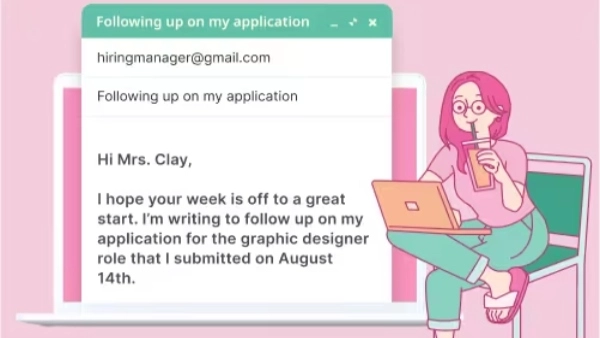
If you haven’t heard back after 7–10 days, it’s perfectly acceptable—and often beneficial—to send a follow-up message.
Use this simple follow-up template:
“Hi [Name], I hope you’re doing well. I wanted to follow up regarding my application for the [Position]. I’m very excited about the opportunity and would be glad to provide any additional information if needed. Thank you for your time!”
Following up shows:
- Professionalism
- Genuine interest
- Initiative
- Respect for the process
Hiring managers often revisit applications after receiving a follow-up, giving you another opportunity to stand out.
12. Apply Consistently, Not Sporadically
A successful job search is a combination of strategy, momentum, and consistent action. Applying sporadically in big bursts is less effective than small, steady efforts every day.
Here’s a recommended daily routine:
- 10 minutes: Review job alerts
- 15 minutes: Tailor and apply to 1–2 roles
- 10 minutes: Follow up or send messages to recruiters
- 10 minutes: Engage on LinkedIn (comment, post, connect)
These small yet strategic actions compound over time and dramatically increase your chances of landing interviews faster.
Final Thoughts
Getting responses when applying for jobs online is completely achievable—when you apply strategically. A polished résumé, tailored applications, professional online presence, and consistent follow-up can dramatically increase your chances of landing interviews.