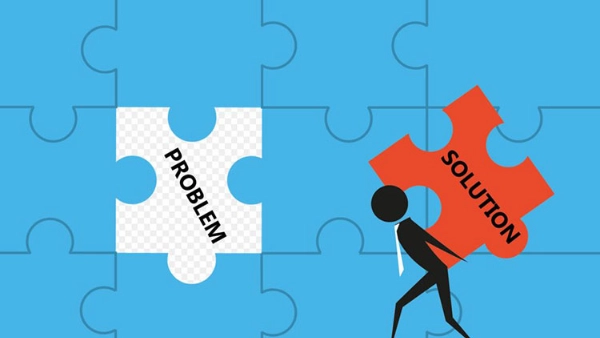
Workplace disagreements are natural—different perspectives, personalities, and pressures can lead to conflict. But when handled the right way, conflict becomes an opportunity for growth, innovation, and stronger relationships. Learning how to resolve disagreements professionally is one of the most valuable skills you can develop at work.
This guide explains why conflict resolution matters, the essential skills you need, and practical steps to navigate tough situations effectively.
Why Conflict Resolution Skills Matter at Work
1. Improves Team Collaboration
Effective conflict resolution prevents tension, misunderstandings, and resentment from building. Teams that address issues openly work more smoothly and communicate more clearly.
2. Strengthens Workplace Relationships
When conflicts are handled respectfully, trust increases. People feel heard, valued, and comfortable voicing ideas—even unpopular ones.
3. Enhances Innovation
Disagreements often spark new perspectives. When managed well, they encourage creative problem-solving and better decision-making.
4. Reduces Stress and Turnover
Unresolved conflict leads to frustration, burnout, and disengagement. Resolving issues early contributes to a healthier, more stable workplace.
5. Builds Leadership Credibility
Managers who handle conflict well inspire confidence. They motivate their teams, maintain fairness, and support a positive work environment.
Key Conflict Resolution Skills You Need
1. Active Listening
Active listening is the foundation of effective conflict resolution. When you listen fully—without interrupting or jumping to conclusions—you show the other person that their perspective matters. This not only reduces defensiveness but also helps uncover the real issue behind the disagreement.
What strong active listening looks like:
- Maintaining eye contact and open body language
- Asking thoughtful, clarifying questions to avoid assumptions
- Paraphrasing or summarizing what you heard to confirm understanding
- Avoiding distractions and giving the speaker your full attention
- Acknowledging emotions while staying neutral
This skill helps both sides feel heard, which is the first step toward building trust and cooperation.
2. Emotional Intelligence
Emotional intelligence (EQ) allows you to recognize your own emotions, understand how they influence your reactions, and read the emotions of others. In conflict situations, EQ helps you stay composed, think rationally, and approach conversations with empathy rather than defensiveness.
Professionals with strong EQ can separate facts from feelings, respond with intention, and de-escalate tension before it grows.
3. Clear Communication
Clear, calm, and respectful communication prevents misunderstandings and keeps discussions focused. Good communicators state their points directly, avoid exaggeration, and base their statements on objective facts.
Key elements include:
- Using a neutral and respectful tone
- Avoiding judgmental or accusatory language
- Asking for clarification when needed
- Choosing words carefully to reduce emotional triggers
Clarity eliminates guesswork and ensures everyone has the same understanding of the issue at hand.
4. Empathy
Empathy is the ability to understand and relate to how someone else feels. During conflict, showing empathy reduces hostility, builds rapport, and shifts the dynamic from “me vs. you” to “us vs. the problem.”
Demonstrating empathy may include:
- Acknowledging the other person’s frustration
- Validating their emotions, even if you disagree with their view
- Identifying shared concerns or pressures
Empathy humanizes the situation and invites more collaborative problem-solving.
5. Problem-Solving
Conflict resolution is ultimately about finding solutions. Effective problem-solvers identify the root cause of the disagreement, explore different perspectives, evaluate multiple options, and work toward an outcome that benefits everyone.
Strong problem-solving includes:
- Defining the real issue, not just its symptoms
- Looking for objective data
- Weighing pros and cons
- Considering long-term consequences, not just short-term fixes
Problem-solving ensures conflicts lead to progress rather than recurring issues.
6. Patience and Self-Control
Conflicts often involve heightened emotions. Patience and self-control allow you to stay calm, think clearly, and avoid reacting impulsively. This helps keep the discussion productive—even when others are upset.
Professionals with self-control can pause before speaking, regulate emotional reactions, and focus on resolution rather than “winning” the argument.
7. Negotiation Skills
Negotiation is essential for creating outcomes where all parties feel respected and satisfied. Strong negotiators look for common ground, explore compromises, and find solutions that address everyone’s interests—not just their own.
This approach builds trust and strengthens long-term working relationships.
Common Causes of Workplace Conflict
Although every disagreement is different, most workplace conflicts arise from one or more of the following:
- Miscommunication or unclear messages
- Differences in work styles or values
- Competing priorities or resource limitations
- Role ambiguity or overlapping responsibilities
- Personality clashes
- High stress, tight deadlines, or workload pressure
- Unclear expectations from leadership
Understanding the true cause of conflict allows you to approach the situation strategically and resolve it more effectively.
How to Handle Workplace Disagreements: Step-by-Step
1. Stay Calm and Pause Before Reacting
When emotions are high, mistakes are easy. Take a moment to breathe, step back, and approach the situation when you can think more rationally. This sets the tone for a productive conversation.
2. Seek to Understand Before Being Understood
Give the other person the space to explain their perspective fully. Use open-ended questions such as:
- “Can you walk me through what happened from your point of view?”
- “What outcome would feel fair to you?”
Understanding their priorities creates room for collaboration.
3. Focus on the Issue, Not the Person
Avoid personal attacks or assumptions about motives. Address the specific behavior, process, or misunderstanding causing the conflict. This keeps the conversation respectful and constructive.
4. Communicate Your Perspective Clearly
Use “I” statements to express how you feel without assigning blame:
- “I feel concerned about the deadline.”
- “I noticed the updates weren’t shared.”
- “I need clearer communication so we can stay aligned.”
This approach encourages dialogue instead of defensiveness.
5. Look for Shared Goals
Even when people disagree, they often share the same bigger objective—successfully completing a project, maintaining efficiency, or reducing stress. Highlighting shared goals builds common ground.
6. Brainstorm Solutions Together
Encourage all parties involved to suggest ideas. Explore multiple solutions and evaluate which one best addresses everyone’s needs. Focus on win-win outcomes wherever possible.
7. Agree on Action Steps
Clarify responsibilities and deadlines to avoid future misunderstandings. Writing down the agreement—even informally—helps maintain accountability.
8. Follow Up
Conflict resolution doesn’t end when the conversation does. Check in later to ensure the agreed-upon solution is working and that the relationship remains positive.
Examples of Effective Conflict Resolution at Work
- Two colleagues disagree about task ownership. They review the project plan together, clarify roles, and divide responsibilities.
- A team member is overwhelmed by workload. A manager listens, adjusts priorities, and redistributes tasks fairly.
- A client is dissatisfied with a deliverable. The employee listens empathetically, explains the reasoning, and provides alternative solutions.
- Two coworkers with different communication styles adjust their approaches, improving collaboration and reducing friction.
These examples show how professionalism can turn conflict into a catalyst for improvement.
Tips to Prevent Conflicts Before They Happen
- Communicate clearly and consistently
- Set expectations at the start of each project
- Ask questions rather than making assumptions
- Give feedback early, respectfully, and regularly
- Clarify roles and responsibilities
- Build strong relationships with colleagues
- Manage stress through healthy routines
- Practice active listening daily
Preventing conflict is often easier than resolving it.
Benefits of Strong Conflict Resolution Skills
For Employees
- Stronger teamwork and collaboration
- Higher job satisfaction
- Increased confidence and emotional maturity
- Better working relationships
- Faster career growth and leadership opportunities
For Employers
- Higher productivity and efficiency
- Better team morale and cohesion
- Reduced turnover and fewer HR issues
- More effective managers and leaders
- A healthier, more positive organizational culture
When handled well, conflict becomes an opportunity for learning, innovation and stronger relationships—not a source of stress.
Final Thoughts
Conflict will always be part of the workplace—but how you handle it determines whether it becomes destructive or constructive. By developing skills like active listening, empathy and clear communication, you can navigate disagreements with confidence and professionalism.
Mastering conflict resolution not only strengthens your relationships—it also makes you a more effective teammate, a stronger leader, and a more valuable asset to your organization.